

In Tasmania, a remarkable project is reshaping the future of maritime transport. At Incat’s shipyard, the construction of the world’s largest electric ferry Hull 096 has brought together engineering excellence, industrial innovation, and trusted partnerships. At the heart of this achievement lies a powerful collaboration between Incat Tasmania, Direct Access, and Haulotte.
A first look at Incat work on Hull 096 electric ferry
A global first at unprecedented scale
Measuring approximately 130 meters in length, Hull 096 is designed to carry up to 2,100 passengers and more than 220 vehicles, demonstrating that electric propulsion can now operate at true commercial scale.
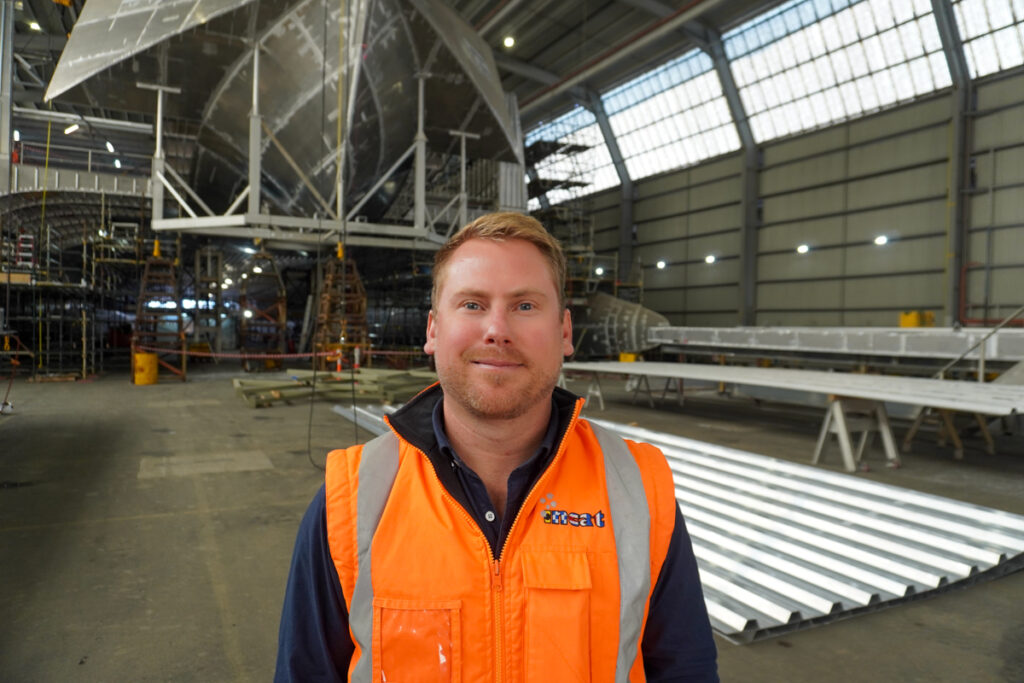
Tom Cooper, Manager Public Relations and Corporate Affairs at Incat Tasmania
For Incat, this project represents a defining milestone:
Hull 096 is “the most significant project in the company’s history,” explains Tom Cooper, Manager Public Relations and Corporate Affairs at Incat Tasmania.
“Hundreds of people have contributed to the project across design, engineering, fabrication, electrical installation, fit-out and commissioning, supported by a large network of suppliers and contractors.”
Access at the heart of performance
Behind these impressive specifications lies the reality of construction: a fast-paced, highly complex shipyard environment where safe and efficient access is essential. From structural assembly and welding through to electrical installation and final fit-out, aerial work platforms (AWPs) were used across every phase, as teams relied on them to provide “safe and efficient access to work areas across the vessel,” according to Tom Cooper.
The scale of the vessel meant constant work at height across multiple decks and confined areas.
“AWPs allow teams to safely position themselves where work is required, helping improve productivity and reducing the need for more time-consuming access solutions,”
adds Tom Cooper.
For this project, versatility was key. With multiple machine types available, from booms to scissor lifts and mast lifts, teams could adapt quickly to different tasks both inside and outside the vessel. Ease of operation and maneuverability proved especially valuable in such a dense industrial environment.
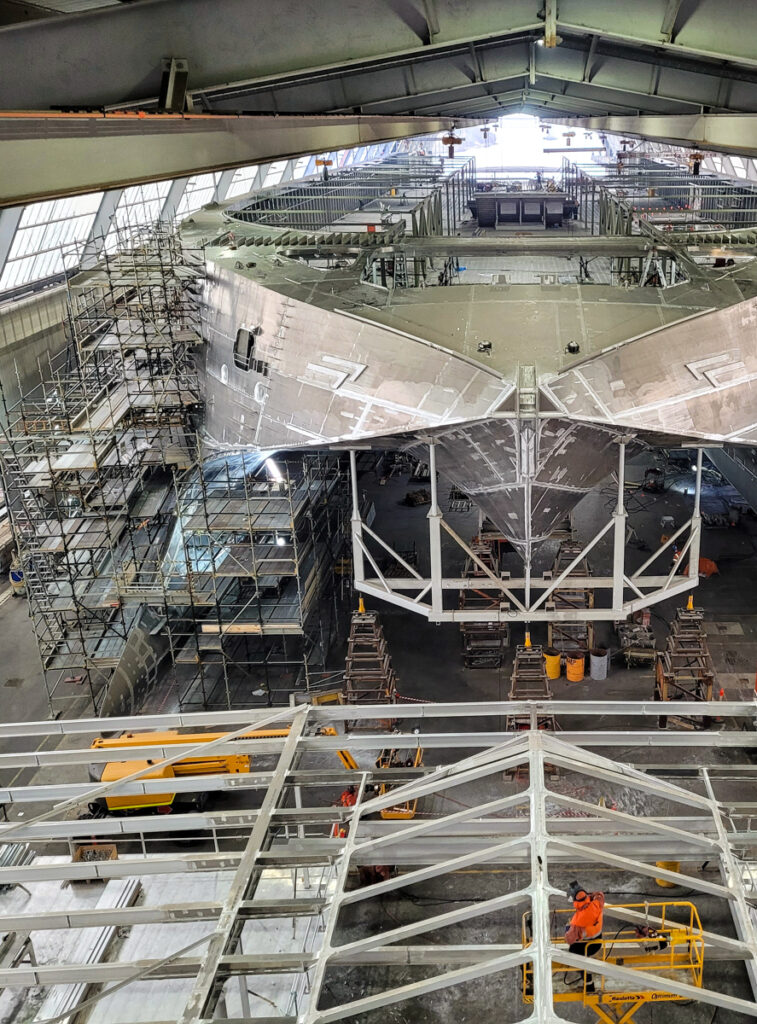
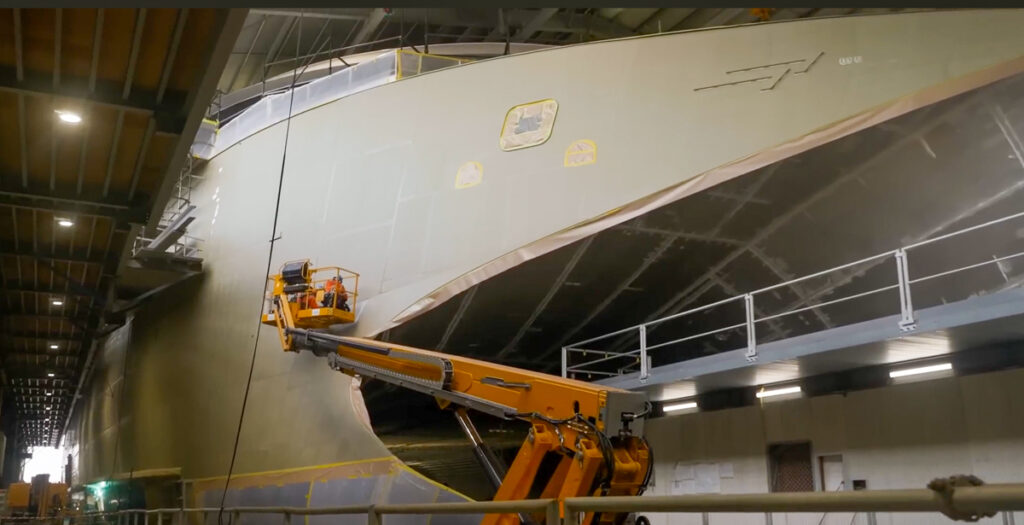
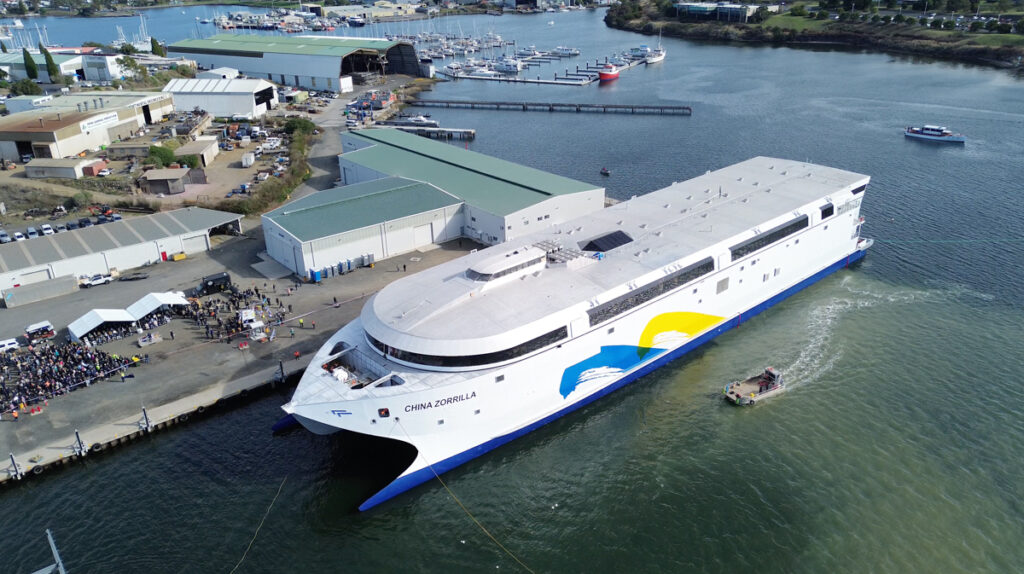
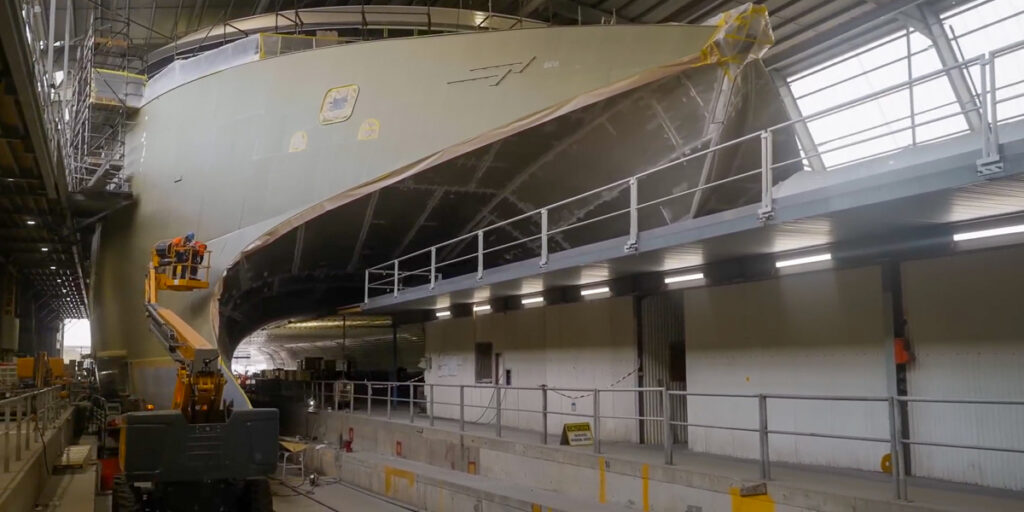
Take a closer look at Incat Hull 096 project:
Direct Access: keeping the project moving
Delivering a project of this scale requires a responsive and knowledgeable partner, and that’s exactly where Direct Access’ teams showcased their best skills. Collaborating with Incat since 2014, Direct Access’ sold Incat a wide range of access equipment, complemented by rental equipment “to top up their own fleet when they are in peak demand,” says Danny Lacey, Director of Direct Access.
For Hull 096, this approach meant deploying a wide range of machines, including 85 ft straight booms, 60 ft articulated booms, Star 10 mast lifts and electric scissor lifts, providing the right solution for both large-scale exterior works and detailed interior tasks.
Specifically, the Haulotte HT28 RTJ PRO telescopic boom stood out for its performance and reliability, supporting multiple applications such as fabrication, painting and signwriting. It also played a key role beyond shipbuilding tasks, as it was used to service and maintain the shipyard’s overhead crane network: critical infrastructure for handling large structural components.
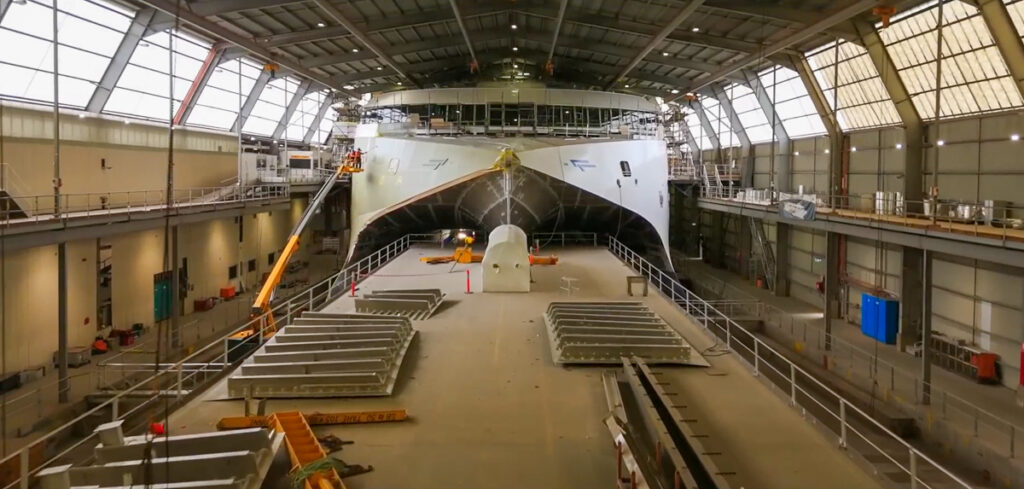
In more confined environments, compact machines made a clear difference. The Haulotte Star 10 mast lifts were “used extensively due to the low overall height and the ability to provide horizontal reach at low heights, making them ideal for vehicle decks and interior spaces,” explains Danny Lacey, Direct Access’ onsite support also proved to be a key factor in the success of its collaboration with Incat.
Their responsiveness proved equally valuable, as Tom Cooper points out: “having a local supplier that can respond promptly and provide additional equipment when required is a valuable part of keeping projects moving efficiently.”
Supporting a fully electric vision
Hull 096 represents a major step forward in sustainable maritime transport. Once operational, it will run entirely on battery power, eliminating exhaust emissions and significantly reducing noise.
This commitment to sustainability also shaped the construction phase. Direct Access worked closely with Incat as they modernized their fleet, helping identify the most suitable equipment for long-term performance and efficiency.
When working on Hull 096, Incat progressively integrated electric access solutions into its operations, such as the Haulotte HA20 LE PRO articulated boom, which replaced diesel alternatives and
“helped reduce noise in the shipyard as well as reduced fossil fuel usage”, as Danny Lacey puts it.
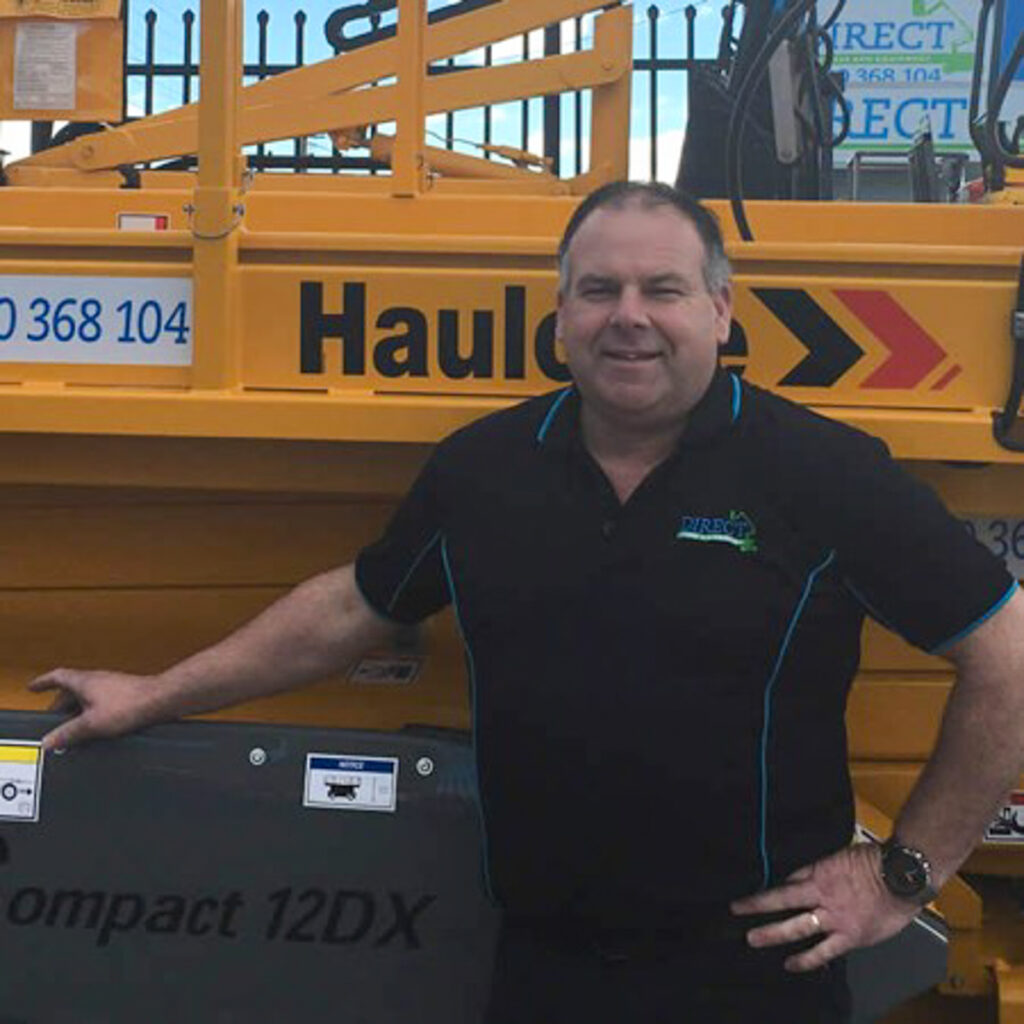
Ultimately, Hull 096 is both a technical achievement and the result of a close collaboration between field experts. As Tom Cooper notes “Hull 096 has reinforced the importance of collaboration, innovation, and strong partnerships.”
By combining Incat’s shipbuilding expertise with Direct Access’ responsiveness and Haulotte’s high-performance machines, every stage of Hull 096 was supported by efficient, reliable and adaptable access solutions. On a project of this exceptional scale, this convergence of expertise proved essential to break new grounds and deliver the world’s largest electric ferry.