On an aerial work platform, maintenance is not just about replacing a component, it determines machine uptime, operator safety, and ultimately the profitability of a fleet. In a market where “compatible” alternatives are multiplying, what does “OEM part” really means, and what difference does it make for a user or rental company? Guillaume Mercier, Group Business Unit Manager Spare Parts, and Etienne Garnier, Spare Parts Market Manager, explain.
OEM: The manufacturer-approved part, certified to ensure original performance
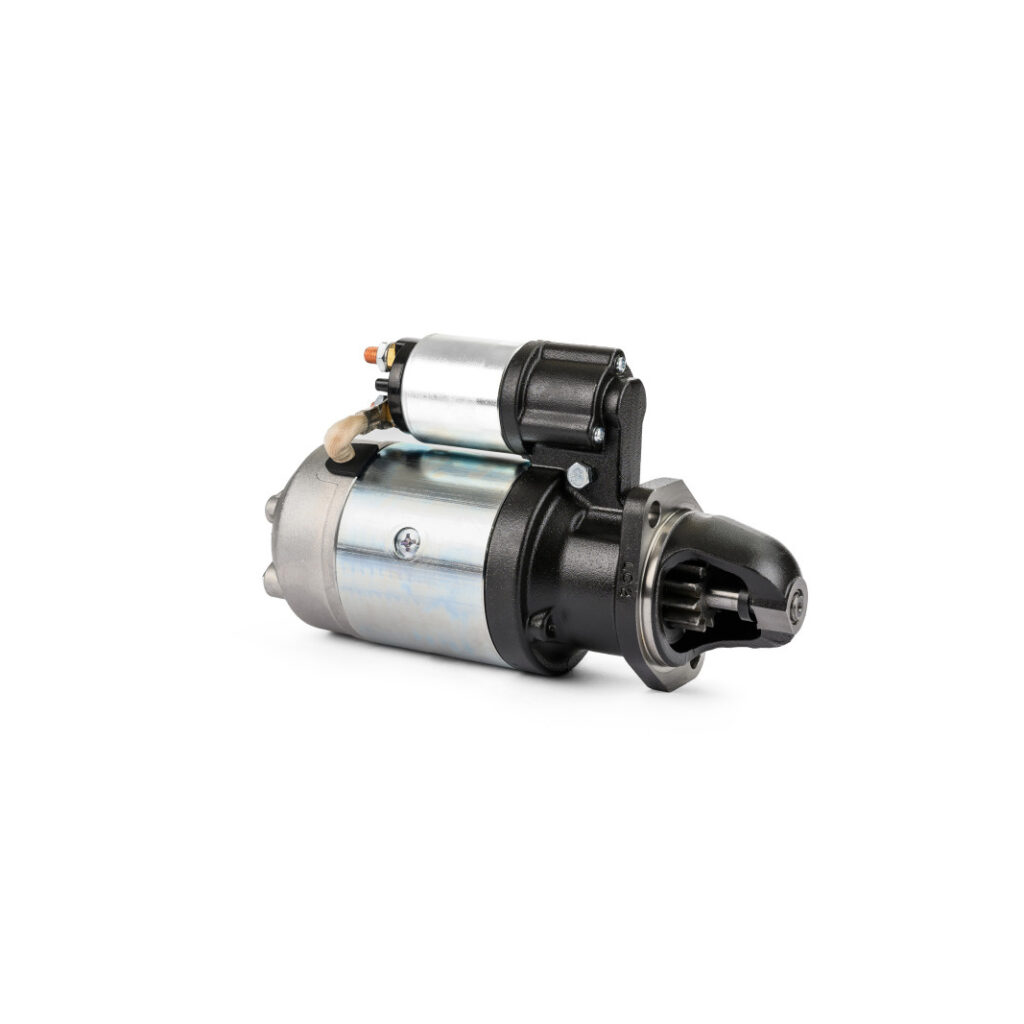
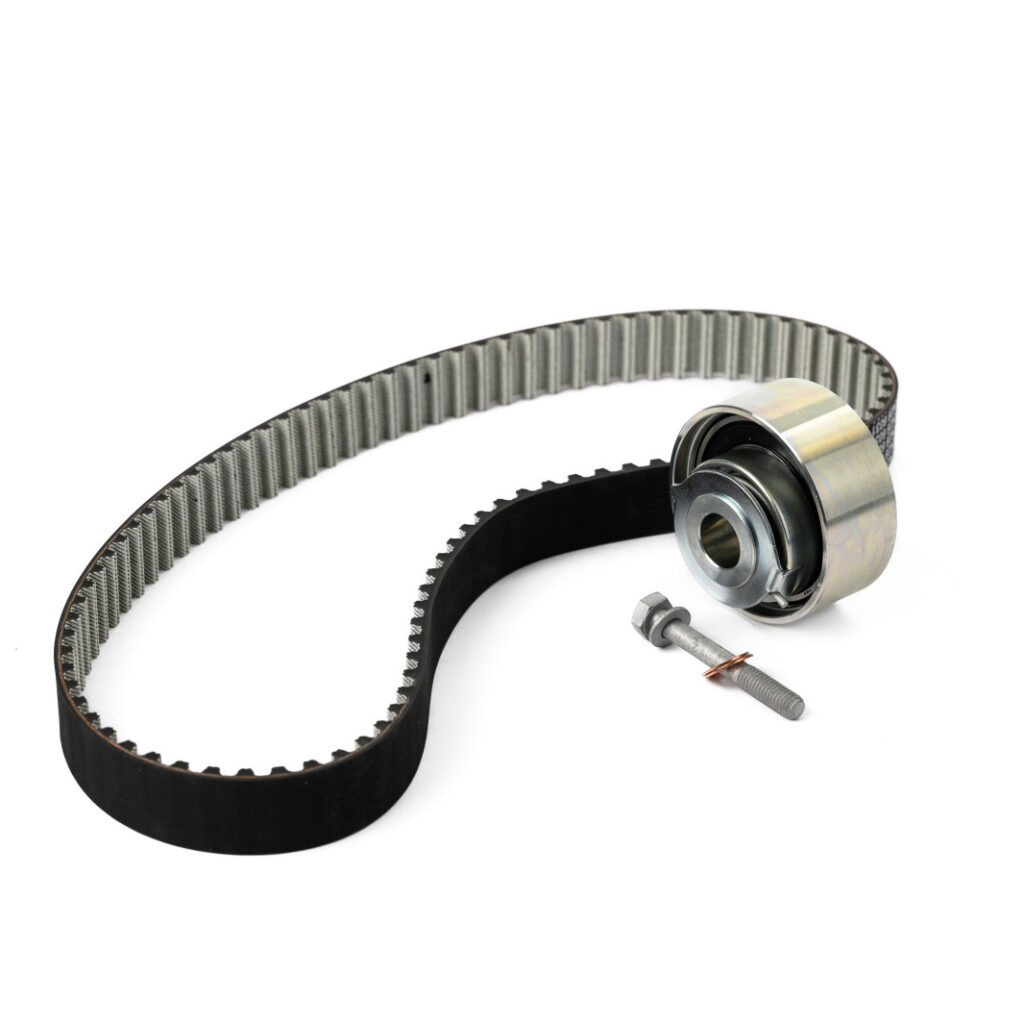
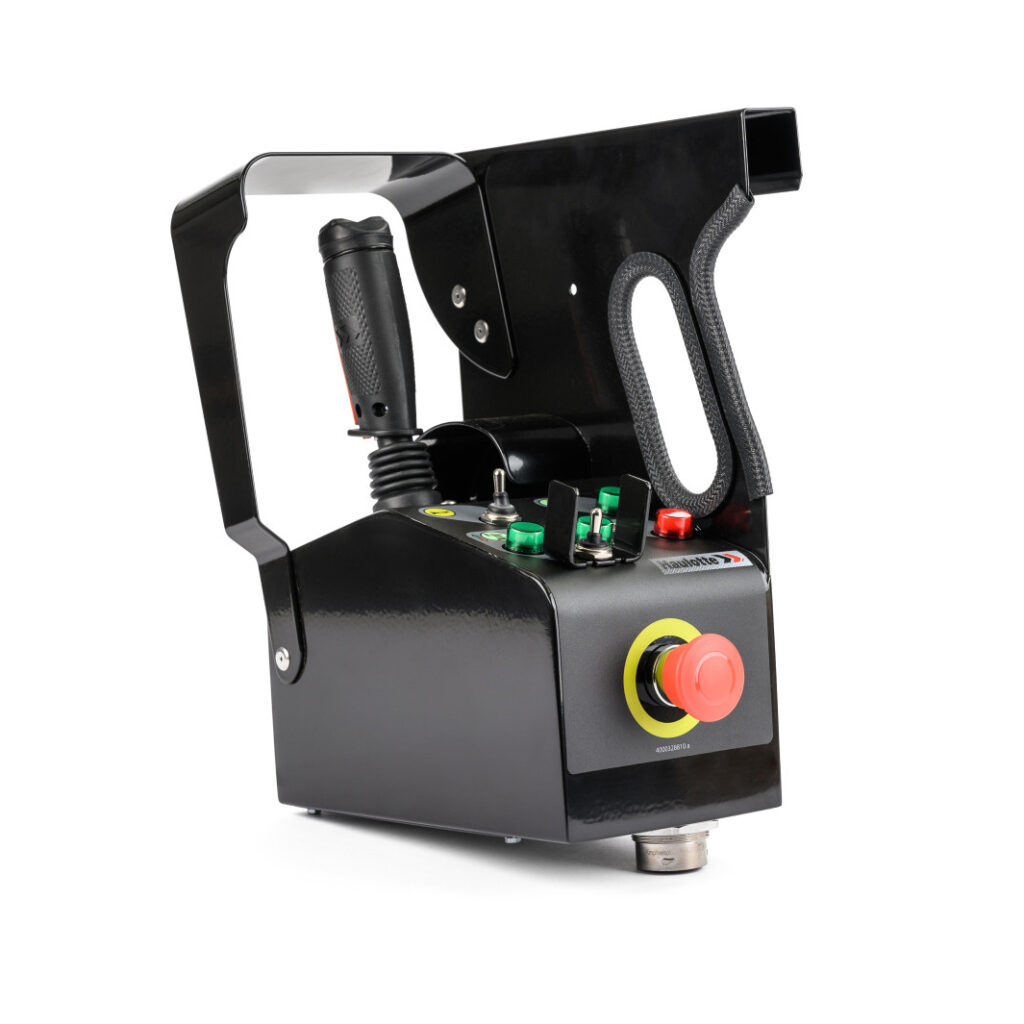
Guillaume Mercier sets the scene: “An OEM part is a manufacturer’s part designed, validated, and specified by the OEM.” In other words, it is developed according to Haulotte engineering requirements, from materials to tolerances: “These parts strictly comply with all the requirements of our design office, whether it concerns tolerances, materials, or Haulotte’s quality standards.”
The goal is not only theoretical compliance, but the ability to preserve the machine’s behavior, performance and reliability over time: “A machine will maintain its initial performance when OEM parts are used for servicing.” In equipment where everything is interconnected: hydraulics, electronics, structure, drive, this system-level consistency is crucial.
Where some non-OEM parts meet only minimal functional requirements, OEM parts are engineered to integrate seamlessly and operate reliably within the entire system: “Our work is not just about a single component, but about the interconnection of components to generate machine movement and ensure long-term durability.”

Key Benefits: lifespan, performance, compatibility… and peace of mind
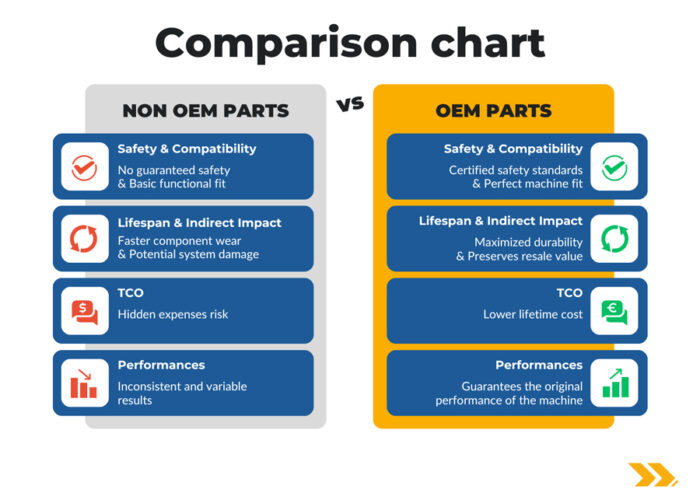
What benefits does the user gain? Guillaume Mercier highlights three main ones: “lifespan, performance and machine availability.” With OEM parts, “the customer maintains the machine’s original performance, and compatibility is perfect with all systems within the machine.”
Safety is another fundamental pillar: “An OEM part is validated according to our safety requirements, it ensures optimal safety. This applies to structural components as well as braking, hydraulics or electronics.”

Etienne Garnier adds another, often less visible but highly relevant: serviceability.
A manufacturer part is designed for long-term use and may go through several industrial iterations while remaining compatible: “An OEM part may be produced by different suppliers over time, but compatibility is always ensured across all machines.”
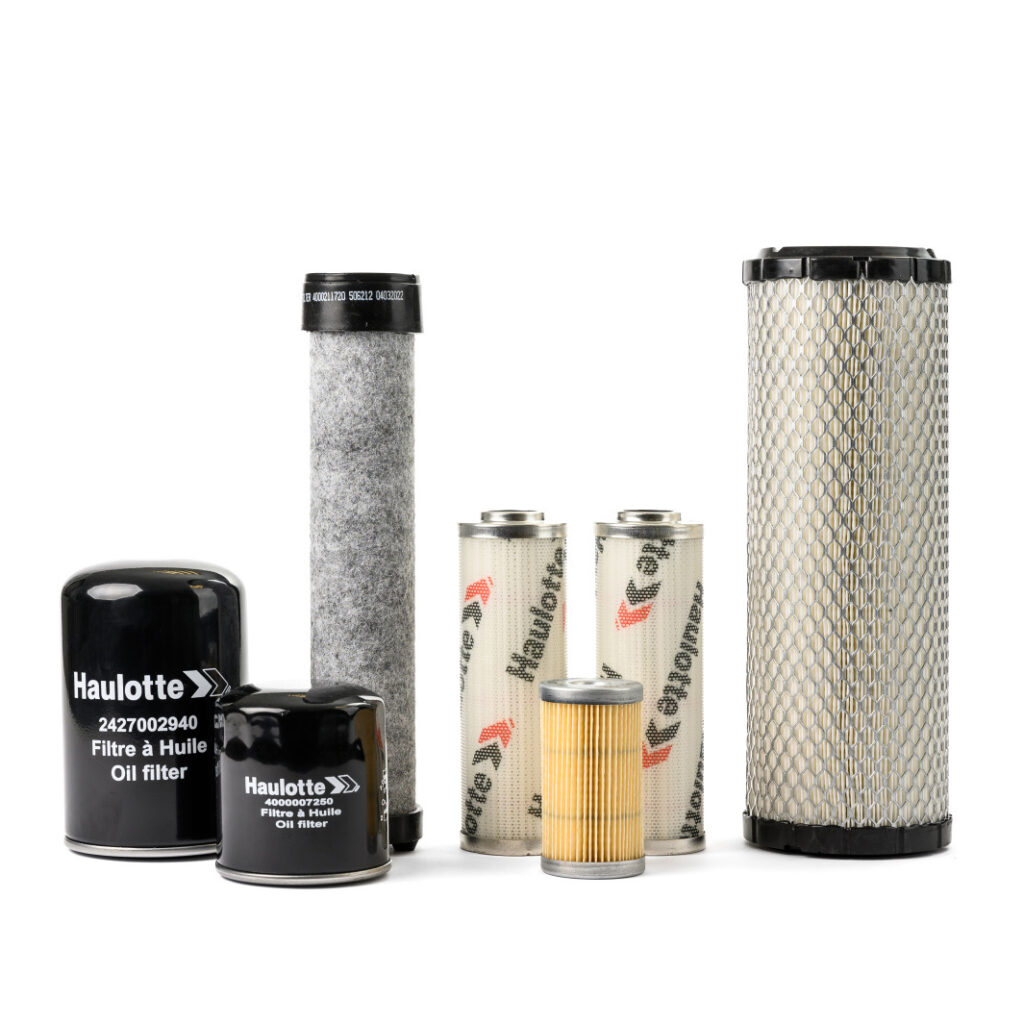
In real-world use, the risks of non-OEM parts often arise from technical details that are difficult to detect during installation. Guillaume Mercier gives a telling example: “For non-OEM filters, filtration quality can be reduced.” This can accelerate the wear of other components, turning a seemingly minor saving into a major long-term cost.
On critical functions, the impact can directly affect reliability and safety: “Imagine a structural or braking component that does not meet our standards — it can lead to premature fatigue or even pose safety risks.”
Etienne Garnier illustrates the “domino effect”: “If you use a filter with the wrong specifications, you risk damaging your pumps. For a one euro difference, you could end up paying much more for major component repairs.” He also reminds us that some parts directly relate to people’s safety: “There is a human life behind all this. Beyond machine performance, safety is paramount, you simply cannot take risks with people’s lives.”
TCO: OEM parts reduce indirect costs and protect residual value
OEM parts are sometimes perceived as “more expensive” upfront, but the equation must be considered over the machine’s entire lifecycle. Guillaume Mercier clearly links OEM parts to TCO reduction: “You extend the interval between failures and reduce repeated interventions.” Higher-quality parts = fewer replacements, fewer breakdowns, less downtime, and less labor.
He also mentions consumption-related impacts: “Using filters that do not meet standards may cause energy or oil overconsumption.” Another key point for rental companies is resale. A well-maintained machine retains more value: “A machine that is better maintained will have a higher resale value.” And mechanically, fewer failures mean more billable days: “It reduces downtime and revenue loss for rental companies, or production loss for industrial customers.”
Etienne Garnier takes it even further: “Don’t think of OEM as merely a mechanical partner — think of it as a financial partner.” Meeting OEM specifications ensures that the machine meets the economic assumptions (consumption, depreciation, residual value) that underpin its profitability.
Towards a ‘Peace of Mind’ Experience
Quality only matters if the part is available quickly. Haulotte relies on a global logistics organization: “We have several logistics platforms,” explains Guillaume Mercier, with rapid delivery capability across many references: “For some parts, delivery can be made within 24 hours almost anywhere in the world.” The objective is simple: “reduce our customers’ downtime.”
Beyond parts, Haulotte aims to enhance the service experience. Priority: “Continue digitizing customer support and make their daily operations even easier,” whether for ordering, tracking or monitoring interventions. The ambition can be summed up in one promise: “Offer true peace of mind to our customers — a simple, smooth and frictionless experience. Our goal is for Haulotte to naturally become the obvious choice, perceived as the simplest and most reliable solution, ensuring trouble-free use,” concludes Guillaume.
In summary, OEM is not just about parts — it is a long-term performance strategy. Lifespan, safety, availability, TCO and service quality all converge toward a common goal: keeping machines reliable, compliant, profitable and ensuring smooth, worry-free operations.